
This is Why Your Kids Don't Listen
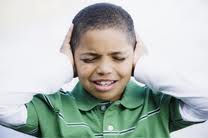
So, lately I've been thinking about different ways to get my kids to use their brain muscles at home. One of the things I think about all the time is why I didn't listen to my mother as a young adult (ages 18-26). Now that I'm married with children and a little older I realize that all of the things she told me were right on point, but for some reason I just didn't think she knew what she was talking about.
My theory is that many of us unknowingly make the mistake of teaching our kids that the only place they can learn things is at school. Usually, even the things we teach our kids at home are derived from something they are learning at school. In my opinion, this creates a standard and an expectation in a child's mind that they can only learn outside of their homes. So, while kids know that they are going to learn math, science or reading skills at school they are not quite sure what value household education possesses.
Think about it. Kids listen to their friends definitely, if they are good students they listen to their teachers, but kids often don't listen to the only people who have sacrificed for them: their parents. That's because what they learn from their friends is usable in their social circles, what they learn from their teachers is usable in the academic world (i.e. passing test and graduating), but often what they learn from their parents doesn't become usable until they've made a mistake or are ready to listen (which doesn't come until later in life). So in order to "sure-up" mommys words of wisdom, us ladies have to begin teaching our kids things that are tangible, usable right now. So here are a few examples:
1. Teach your kids about the fuse box in the basement. Imagine how confident your teenage son or daughter will feel when the lights go out at a friends house and they know how to get them back on. It's simple. Shut all the lights off using your fuse box and have your kids label all of the switches by room or appliance. They'll have only you to thank for that.
2. Learn about and teach them a new move on their favorite video game: This is something I just thought about today. The strategy here is to learn something you know they will want to learn, but before they learn it. So, if you know they play Tekken while they are asleep at night practice with their favorite player and learn as many moves as you can. Then use it on them. So, when they have friend's over and use the move guess what their friends will say: How did you do that? Guess what he'll say: My mom taught me, she's good at this game or at least he'll think it. That builds value for when you want them to do something they don't want to do.
3. Chores, Chores, Chores, Did I say Chores: If your kid is over the age of 5 they should have a chore. Whether its 1 chore or 7 chores. Teaching your kids the fundamentals of cleanliness and organization keep them ahead of the game. Chores also build value for you once they get their own apartment and realize that their closest friends live like pigs. I just heard one of the interns at my job talk about how grateful he is that his mom made him do laundry, clean his room and wash dishes at an early age. Chores can completely change a kids view of the hard work it takes for his parents to keep the house clean
4. Know the difference between XBox & Playstation: Do your kids know what kind of refrigerator you have? What about stove? What about curling iron? Many times brown babies get automatically disqualified from things because nobody ever told them. Make sure your kids know that BMWs are not only expensive cars, but that they require expensive parts. Or, that Sony makes the best TVs or that Dooney & Burke's stitching makes it a better bag than Coach. Don't underestimate the little things. These things create standards in your household and it gives your kids confidence in their decisions. Evidence: To this day I only use Scrub n' Bubbles to clean my bathroom. Why? Because my mom said so. Corporations use these strategies to get you to buy things (i.e. making lifelong consumers). We can use them too.
Remember, our brown babies are intelligent. When you give them books at an early age they read. When you teach them how to count money at an early age they are great at math. So, don't think they aren't smart enough to know about the stock market, sort clothes or write the grocery list. Give them a little more credit than that.